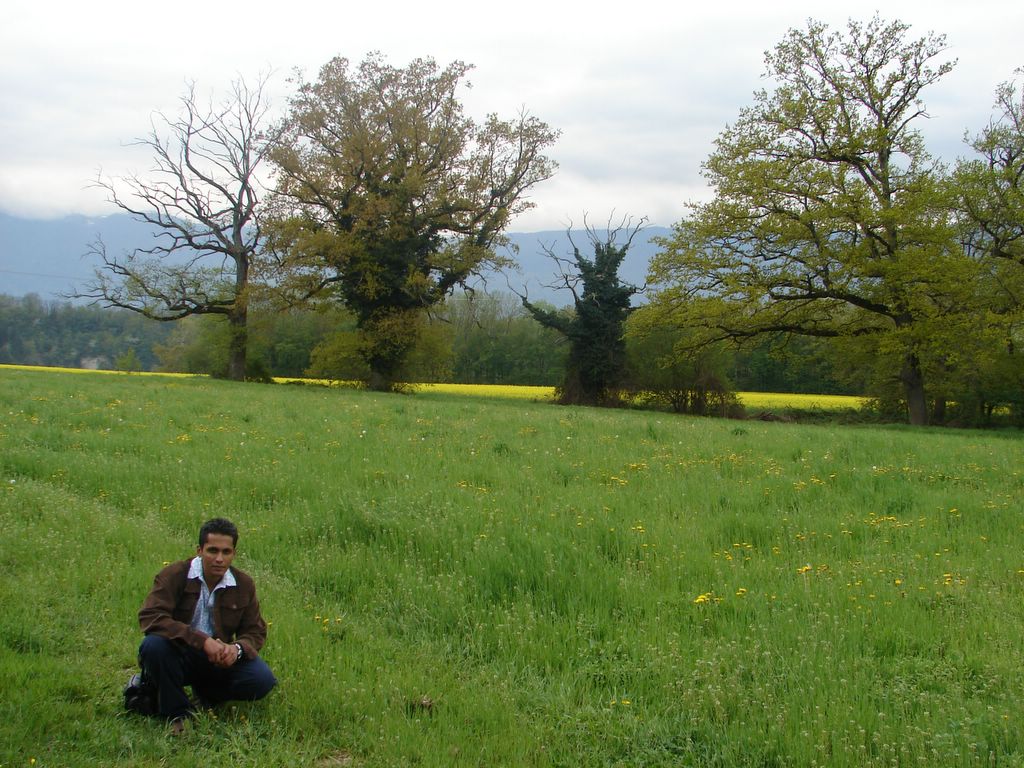
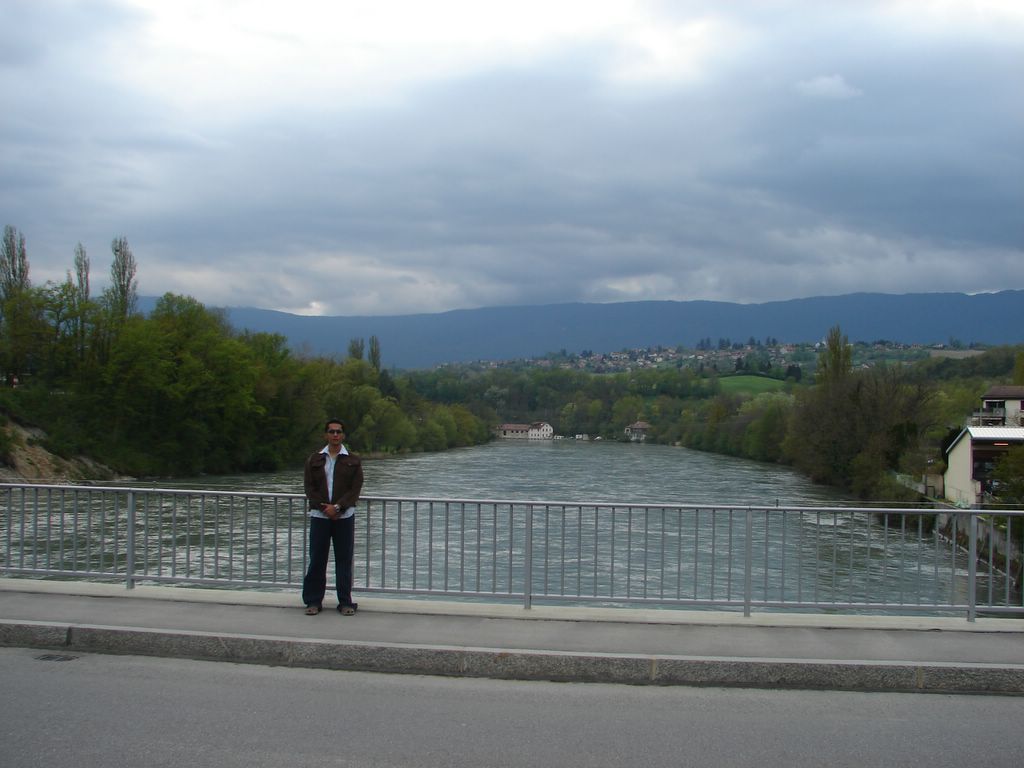
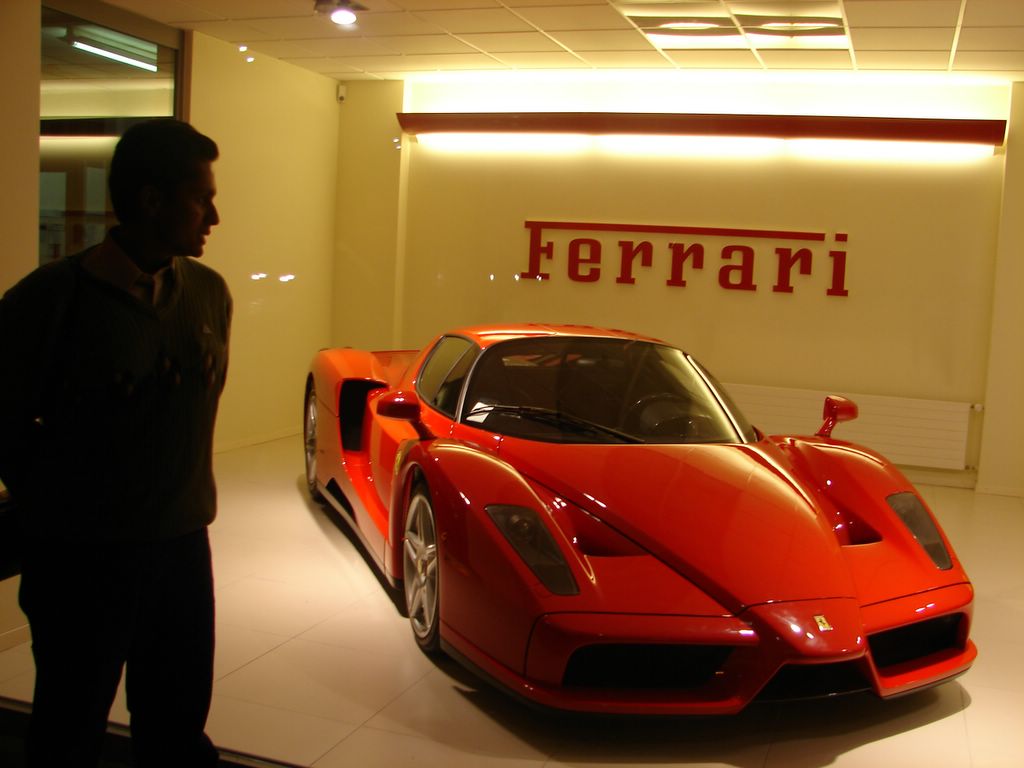
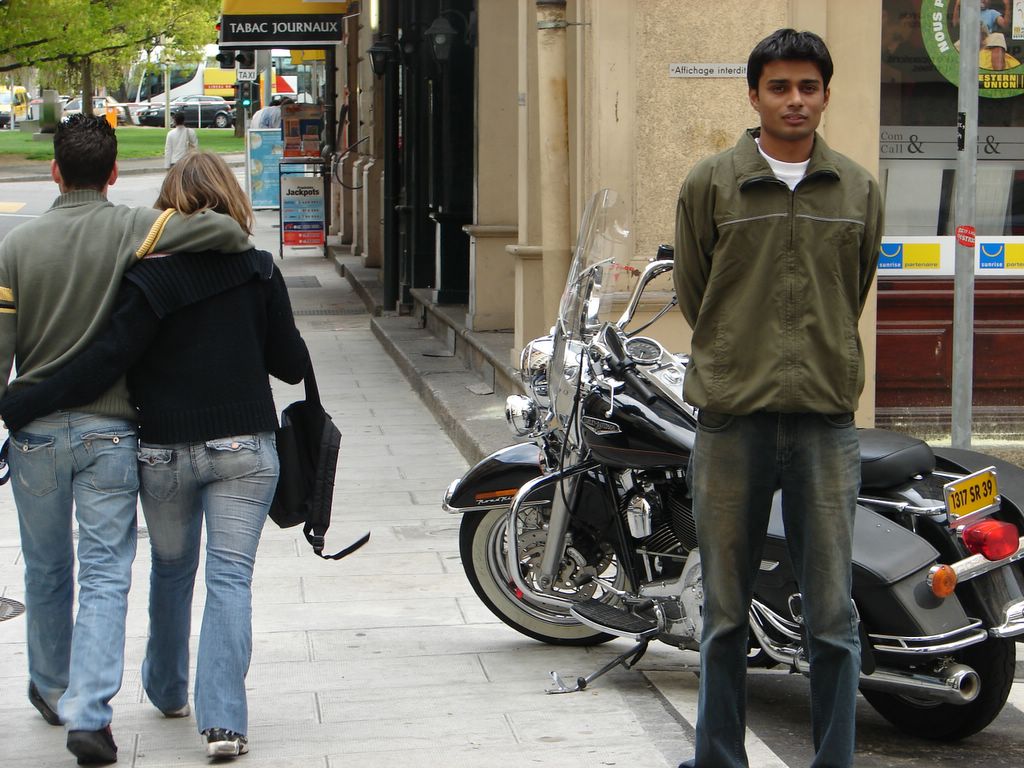
As promised, here I am with stories from Switzerland. This will be done in parts, each with a different theme. Let me first tell you people about what this competition was all about.
There is this organization called The European Law Students’ Association (ELSA) which organizes this moot court competition on WTO law every year. This event is sponsored by a European Law Firm called O’ Çonnor and Company, APCO, and the Cambridge University Press. The University of Geneva provided its facilities for its staging this year. The World Trade Organisation provides technical support to this competition.
The moot court problem came out in September last year. It deals with a dispute arising between a WTO Member that subsidizes its agri-industry, and a WTO Member that does not subsidize its agri-industry and hence believes it is impeded from competing fairly on the world market in certain agri-products. The Member which subsidizes its agri-industry does not pay out more subsidies than its scheduled commitments permit under the WTO Agreement on Agriculture, but the complainant nevertheless claims that the agri-subsidies are in violation of both the Agreement on Agriculture and the Agreement on Subsidies and Countervailing Measures.
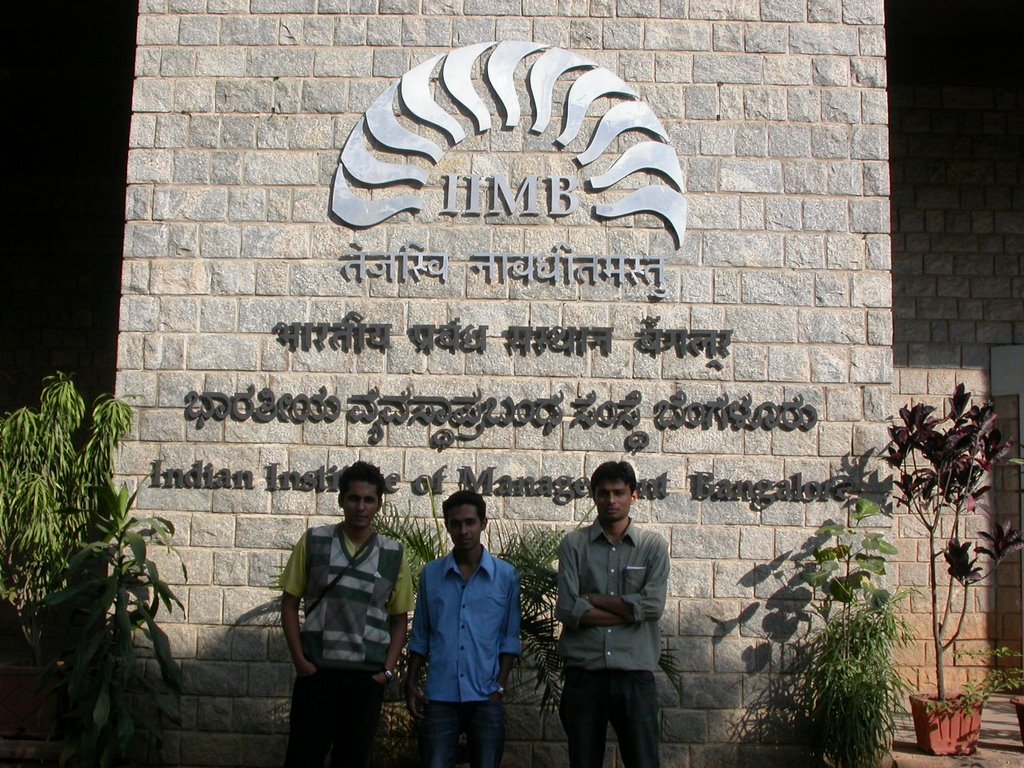
It was a very complicated problem which required us to research all over the country in the November break. We did most of our research at the National Law School, Bangalore and cannot thank its library staff enough for having extended to us all possible help. Prof. G.V. Ajjappa who taught us Jurisprudence-I and Legal Methods is well respected at NLS and was instrumental in getting us access to NLS Library and accommodation at the boys' hostel there. It is an irony that we could beat NLS in the regional round. The IIM- Bangalore library was another place we researched in. The libraries of NALSAR, Hyderabad, (got access with the help of Sagee Sasikumar who earlier taught at our law school) and NUJS, Kolkata too helped us in our research. Although, our own library lacked books in this highly specialised area of trade law, the online legal database it subscribes to was enough to provide us with a legion of articles related to our case. The case was so complicated that we could not find a single person in the law faculties we visited who could have helped us crack (understand) the problem. With all due respect to the people we consulted, we found them as clueless as we were.
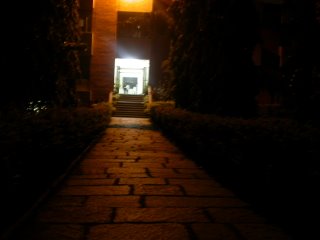
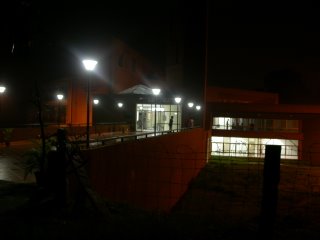
NLS by night.... and their library complex...

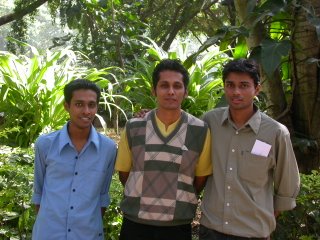
At IIM-B...
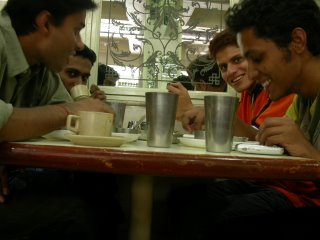
That's Manu...fellow law schoolite who is based in Bangalore. While we explored the libraries, he provided us with the required logistical support.
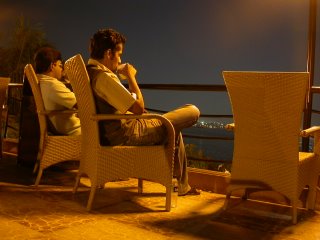
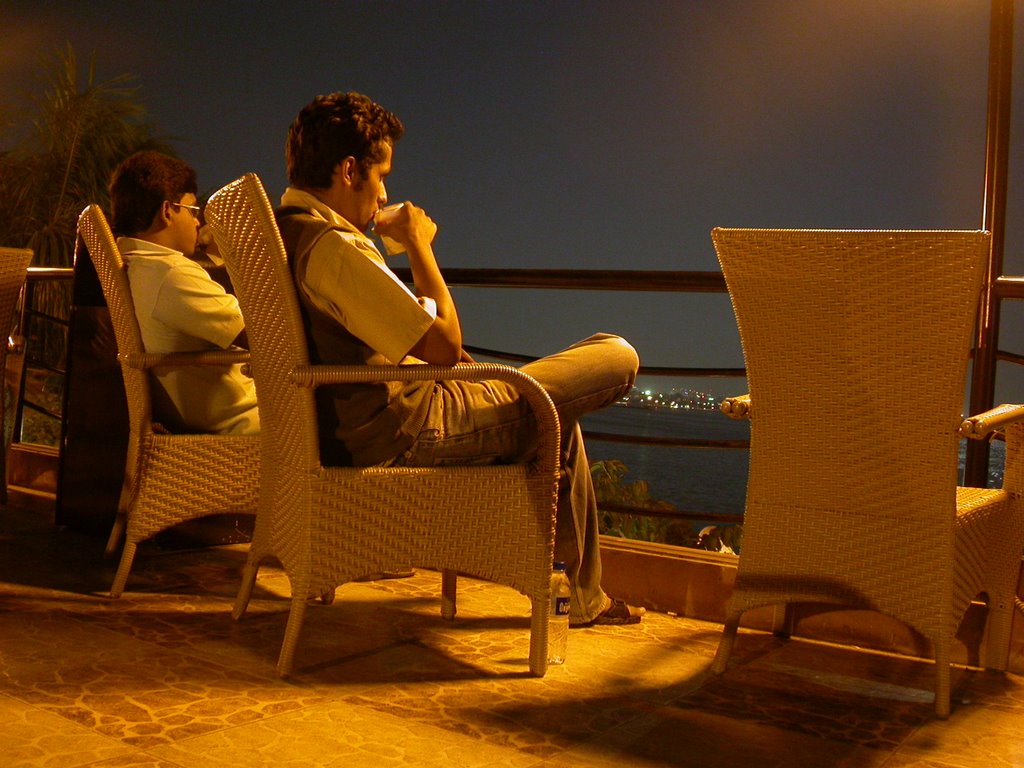
On my way back home from Bangalore, I stopped by in Hyderabad to look into the NALSAR library...Basava, my batchmate who hails from this charming city, ensured that I enjoyed every moment of my stay there when not in NALSAR. Here, sipping coffee by the Hussein Sagar lake in perhaps the shot of my life!
It was only after we read some of the WTO panel reports (run into hundreds of pages) related to our case that we finally cracked the problem in December. Once we could do that, it took us about forty days to prepare our written submissions for each side. The three of us had divided our work to meet the 15th Jan deadline. I can’t remember having worked harder in my life than I did in these forty days. The proofreading and final touches kept us from sleeping for thirty six consecutive hours just before the submission date.

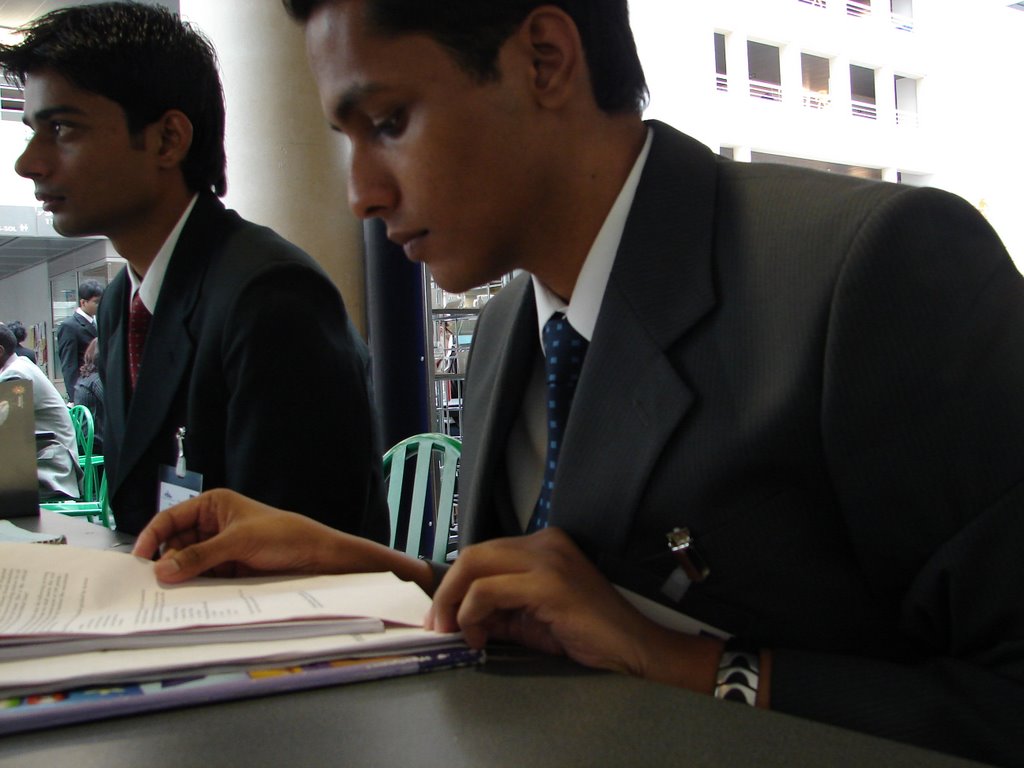
Slogging for the written submissions at the hostel...

That sleepless last day...
Our regional oral round (for the Gulf and South Asia) was supposed to be held in March to select two teams for the world finals. Owing to some communication gap between the regional round organizers, a Mumbai based law firm and the International Organising Committee (IOC), it was cancelled one day before we were to leave for Delhi, the venue for the round. The IOC decided that they would now select teams on the basis of written submission scores. Out of all the law schools from South Asia which participated, HNLU, Raipur and NUJS, Kolkata got selected. So, after all we had understood the problem correctly and the content our written submissions met the required standards.
The IOC had organised regional rounds in South America, Northern Europe, Southern Europe, Asia, Asia- Pacific and South Asia and an International Written Round for North America and Africa to select eighteen teams for the Final Oral Round to be held at Geneva. Around seventy teams had registered for the competition from the world over of which eighteen got selected.
In my last post, I have already told you about what happened to us. We were lauded for making it that far on our own, but believe me we could have done a lot better. Actually we had to raise around hundred and fifty thousand rupees (around 3,300 USD) to meet our airfare and participation fee which included accommodation, food and administration costs for the three of us. Our selection was announced on the 16th of March and we were to report at Geneva on the 25th of April. In between, we had our end semester examination from the 6th April to 14th April. The Govt. of Chhattisgarh (after several applications and a meeting with the Additional Chief Secretary) provided for our airfare which came to around ninety thousand rupees. Jindal Power and Steel, and Allahabad Bank gave another sixty and we had raised just about enough funds to meet our budget. All these funds were routed through the University in the form of cheques. Encashing them was another pain in the neck. We were to leave for Bombay on the morning of 23rd of April. Our bank was forced to circumvent certain policies to ensure that we had hundred and fifty thousand rupees in cash on the evening of Saturday, 22nd April, 2006. I will never forget that day.
We had purchased the air tickets long back by putting our own money then. So, we now had on us, rupees fifty thousand each, in cash as we left for Bombay by the morning train. The entire episode had ensured that we had not practised even once after the announcement of our results, a fact that pains me even today. If only we could arrange for the funds a bit more easily. So here we were, on a Bombay bound train, under prepared for the oral rounds, on our way to Geneva to face the Global Challenge.
The weather was surprisingly pleasant in Bombay as we got off the train that morning. It was only after visiting four hotels that we finally found an affordable abode near the station. The room was air conditioned but was so small that three of could not stand together in it at the same time. One had to be on the bed to ensure that the other two could at least move. We soon got ready and headed for the commercial centre of the city to purchase Euros and Swiss Franks. My team mates (one lives in Cochin and the other in Calcutta) seemed more than interested in downtown Bombay, and before we could realise that we had spent the entire day window shopping, after having watched ‘Being Cyrus’ at Regal, and having a flavoursome meal at my favourite, Baghdadis, it was already evening. Regular readers must have deciphered as to who led them to these places.
Soon we headed back to the hotel at Dadar, packed our stuff for the last time, had a very Indian dinner and finally headed for the airport at nine. Here we were, a group of three undergrads minutes away from boarding a Swiss Air flight to what would be our first voyage to Europe.
The passenger sitting next to me was a Bombay based businessman who deals with lighting events and functions. He was on his way to Frankfurt to see a show related to his business to meet the tastes of his elite clients at Bombay. He had travelled all over Europe and warned me that most non-English Europeans would not speak English even when they knew it. This man had also had a brush with our criminal justice system when he filed a case against a client one of whose cheques had bounced. So while he told me about his case, I recalled a legion of such cases where my boss had defended the guilty party. He knew about him but felt that his fee was too high for the amount involved in his case. Nevertheless, another name added to my contacts in Bombay.
We landed in Zurich at around 6:30 AM local time. It’s another state-of-the art airport. Our flight to Geneva was at ten and we lazed around and window-shopped till we took off. Among the other things at this glittering airport, a Mont Blanc pen for 4000 Swiss Franks (hundred and fifty thousand rupees-our entire expenditure limit) and an Armani suit for 2000 Swiss Franks would remain ingrained on my memory for a long time to come.

At the Zurich Airport
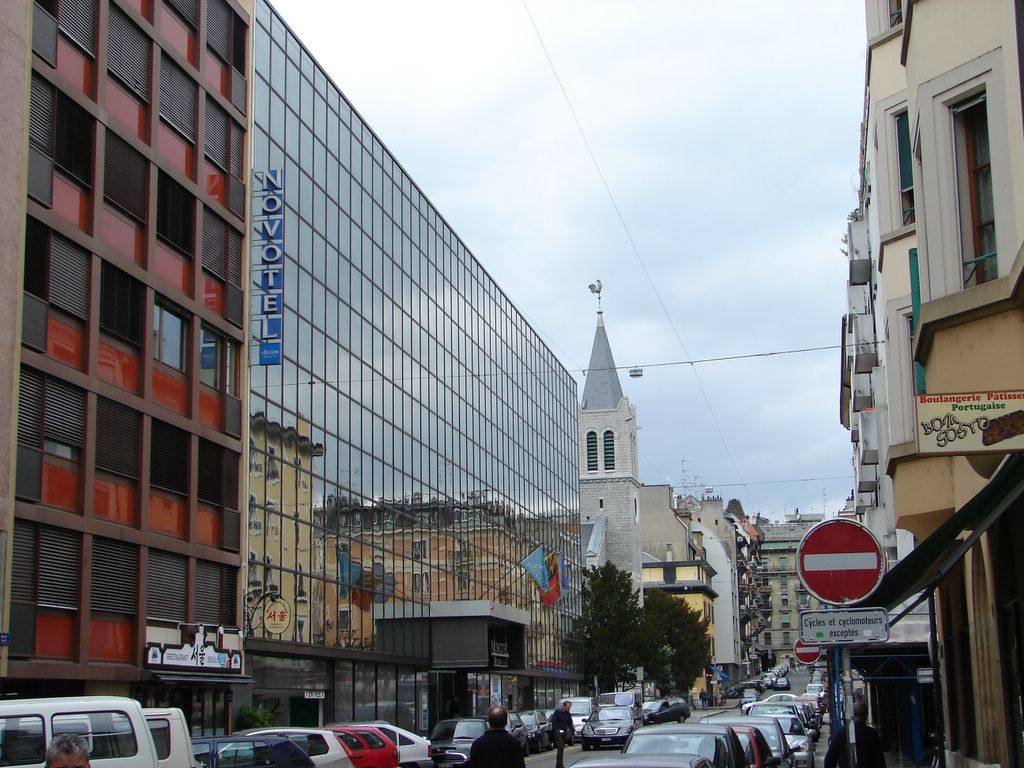
It took us just thirty minutes to reach Geneva from Zurich. On coming out into the airport lobby, we saw a pretty lady carrying a board with ELSA written on top of it. On approaching her, we found that she was not from ELSA but had come there to receive the team from St Peter’sberg, Russia. Just as we came out of the airport and saw signs in French and German all over the place, we knew that we were in for some trouble. We first headed for the adjoining train station only to come out again and wait for a taxi. The taxi, a Mercedes was driven by a hefty guy who apparently could not speak any English. Thankfully, he understood the address we showed and took us to Novotel Gene´ve Centre (a four star hotel), a ten minute ride which cost us 33 Franks (Rs. 1200). We had by now fathomed that Switzerland is one of the most expensive places in the world.

They put us up here...
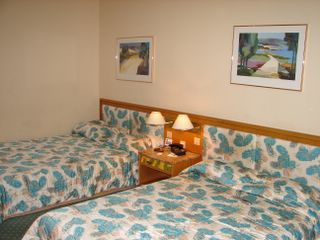
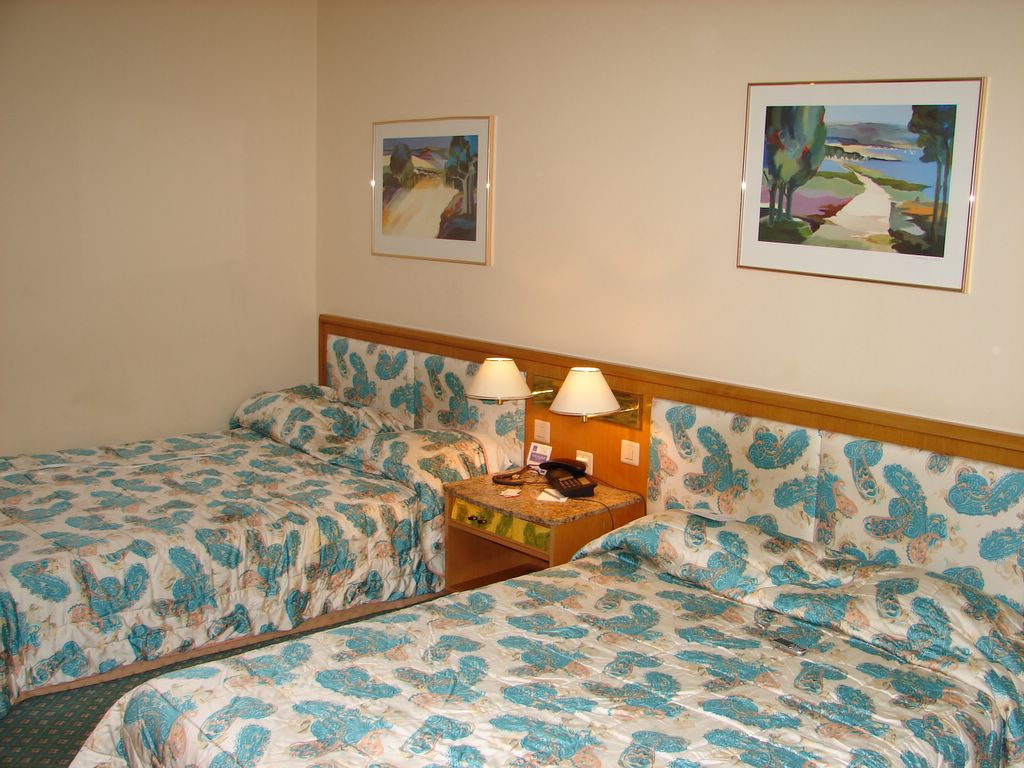
Our room...
We paid our participation fee at the registration desk, kept our luggage and came out soon to have our lunch. We had not eaten anything at the Zurich airport after finding the rates there to be too high. Our hearts sank when we saw similar rates for every thing at Geneva too. We found a McDonald's nearby and had a regular combo meal for 11 Franks each (Rs. 400). Thank heavens that our participation fee included food too. We were supposed to get meals from the next day onwards. The draw of lots was held in the evening which was followed by a cocktail party. Finally, we had something without any inhibitions.
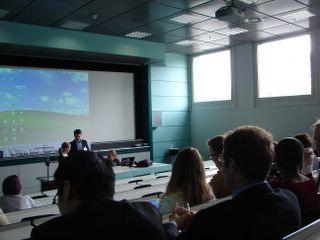
The draw of lots.
We commuted on tram from our place of stay to the University of Geneva and each ride cost us three franks. So we had to spend at least six Franks (around two hundred rupees) from our pocket everyday.
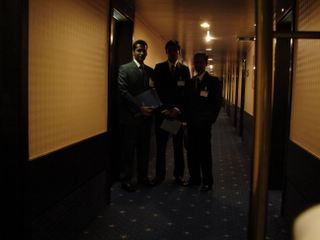
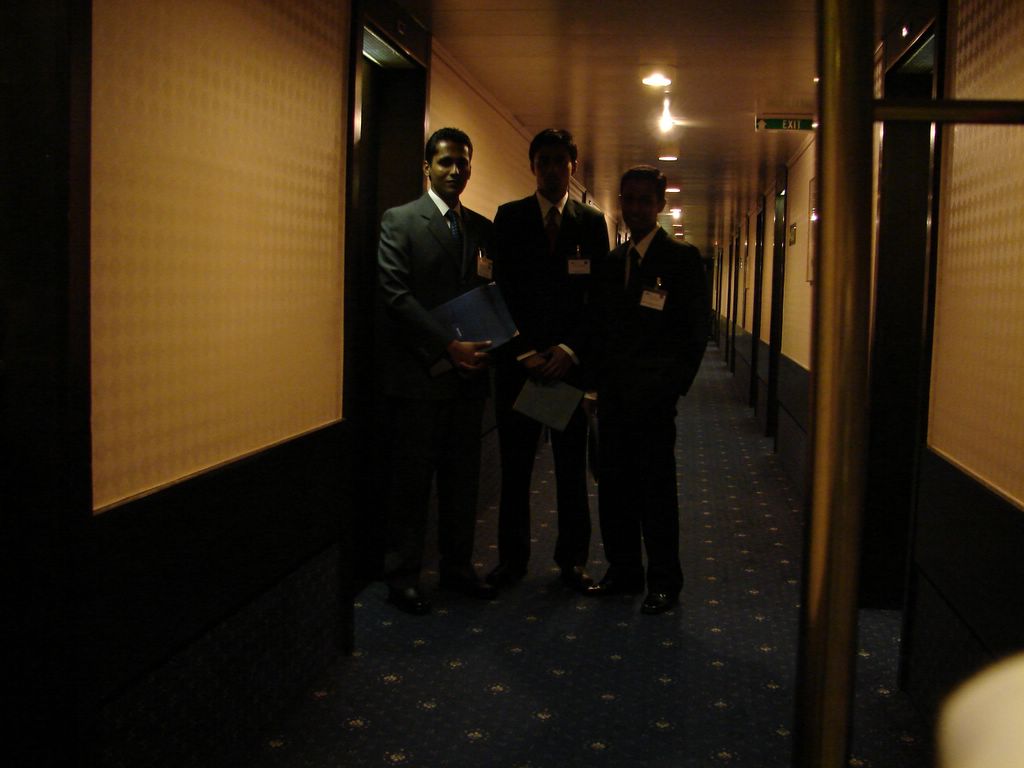
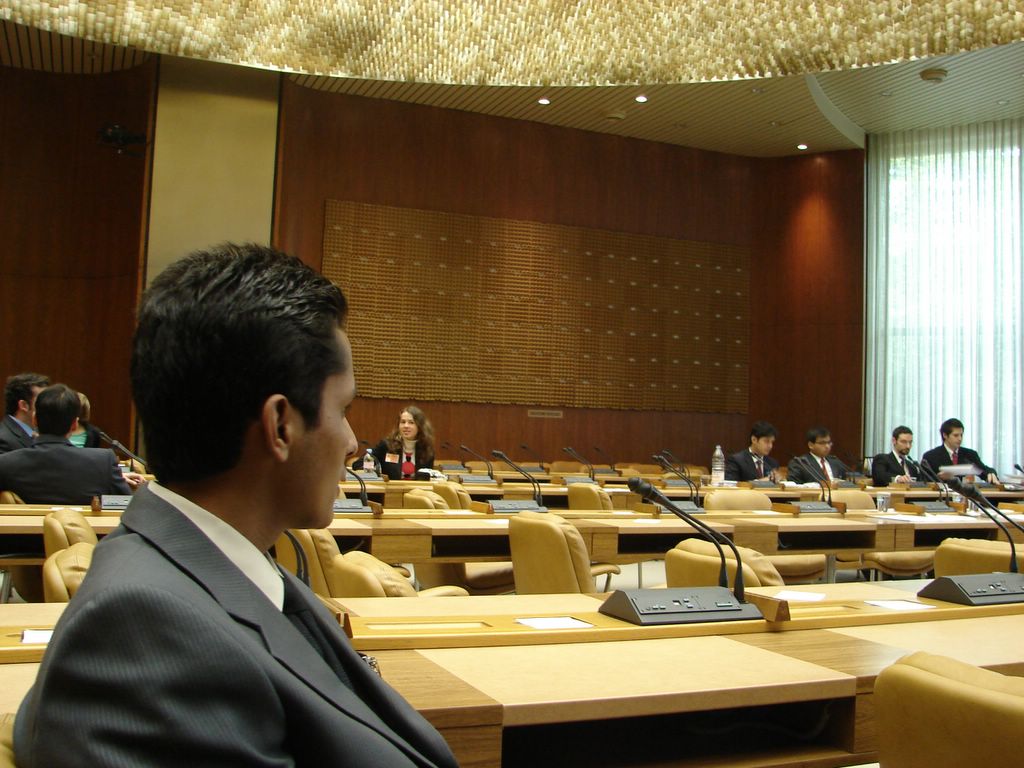
Ready for the first moot.
Given the fact that we had come without any practise, we did very well to impress the judges in the first preliminary round against Howard University, Washington. Dr. Arthur Appleton, White & Case, Geneva, Dr. Laura Nielsen, University of Copenhagen, Denmark and Ms. Hannah Irfan, WTO Legal Affairs Division were the three judges for our first moot. The next day, we were up against Javerian University, Columbia who were the champions of the South American Regional Round. I think we did well even here. However, the judges Dr. Jan Bohanes, WTO Appellate Body Secretariat, Prof. Christian Tietje, University of Halle, Germany and Ms. Barbara Oliveria did not like our approach of dealing with the prior rulings of the WTO panels as flawed when not supporting our case. In fact, we even fumbled at some questions. If only we got some time to practise the respondent’s side. Believe me, we had not practised properly even once. However, when the semi- finalists were announced in the evening, we found ourselves ranked higher that the Columbian team in oral submission scores. It was disappointing to not make it to the semis though. However, we were ranked above ten other teams, most European (Russia, Finland, Italy, Germany, Sweden, Norway), two American (Howard, Dukes) an African and a Taiwanese team. The only American Law School ranked above us was that of the New York University. And almost all of these teams had coaches. The grand final was staged at the WTO Headquarters. The teams to reach the final were the London School of Economics and Political Science and the University of Sydney. Let me also tell you here that we along with NUJS, Calcutta and the team from Columbia were the only undergrads. International Trade Law is primarily considered a post graduate subject.
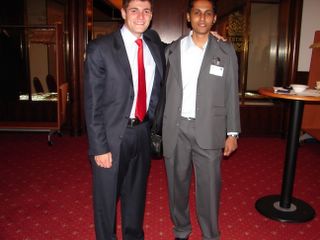
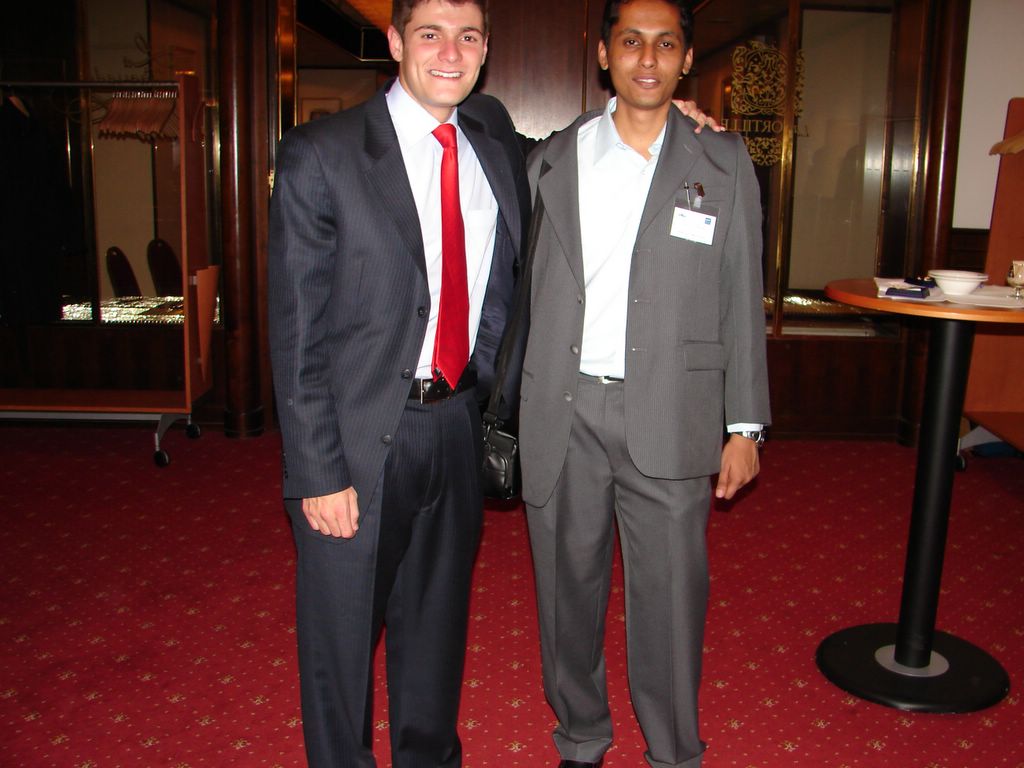
With Felipe Serrano from Bogota, Columbia at the announcement of semi-finalists...
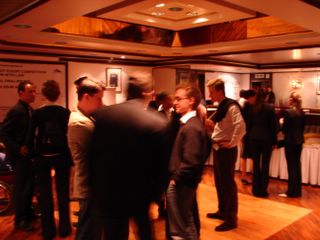
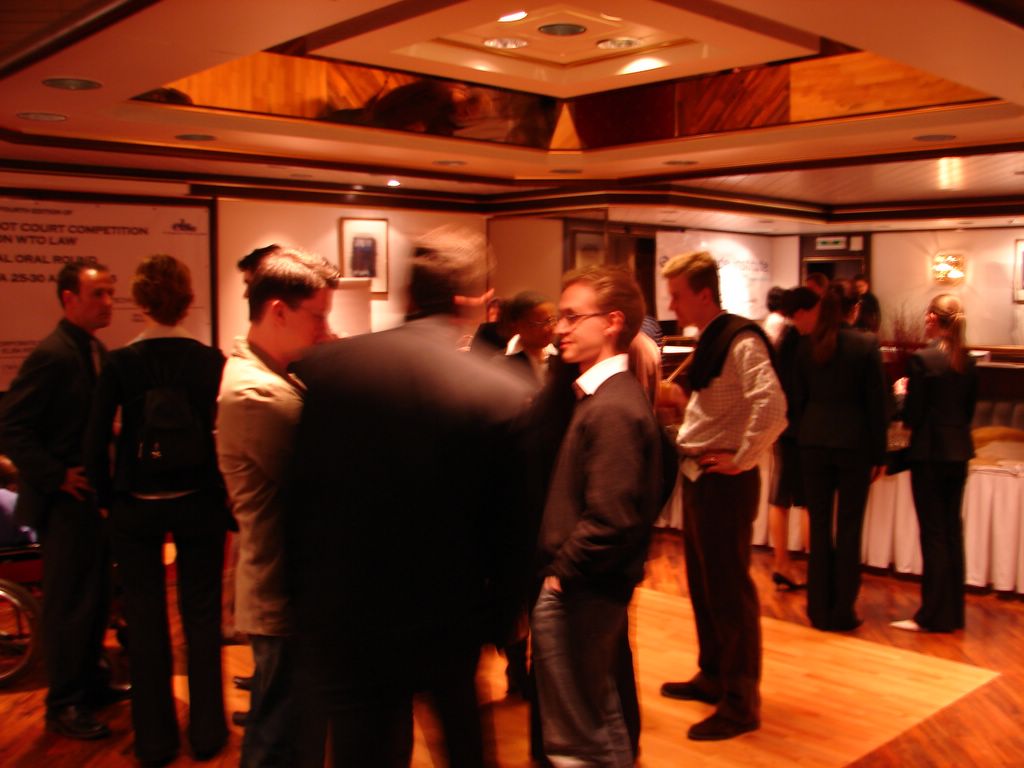
The cocktail party that followed...
It was a wonderful experience to see the World Trade Organisation. Getting inside involved a long process. Our passports were deposited at the entrance in exchange for identification badges. The judges for the finals had the biggest names associated with WTO Dispute Resolution Process including the Deputy Director- General, Alejandro Jara. It was a well contested final with the University of Sydney emerging as the winners. We had seen their semi-final too. They were brilliant and deserved to win. Let me tell you that there were Indians on both teams. The LSE team had two Indians including one of the speakers. Both of them had graduated last year (one from ILS, Pune and other from Amity, Delhi) and are pursuing their LLM in LSE. The Australian team too had a girl who was an ethnic Indian. She was a brilliant speaker.
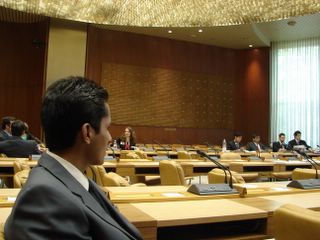
Inside the WTO, overlooking team LSE (far right).
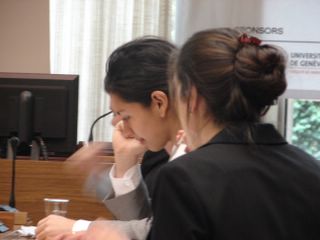
The Aussie team...among other things, they won scholrships to study a course at the World Trade Institute, Bern.

The grand panel of the grand final...
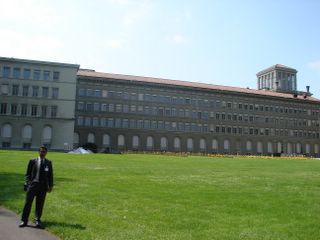
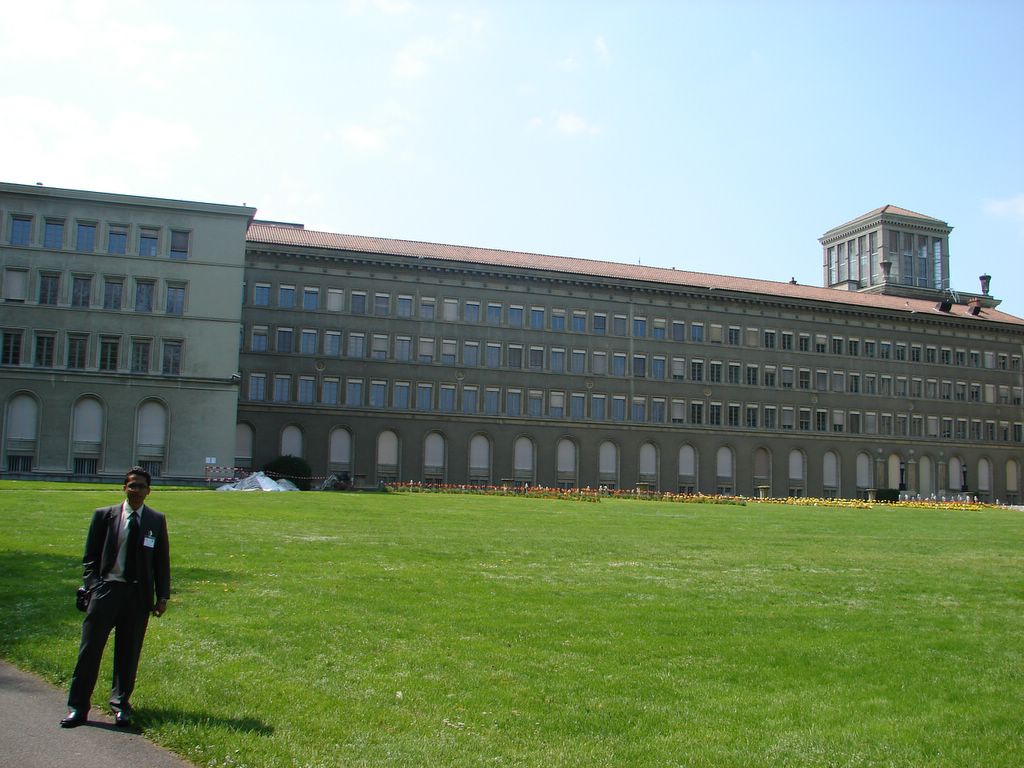
Behind the WTO building...

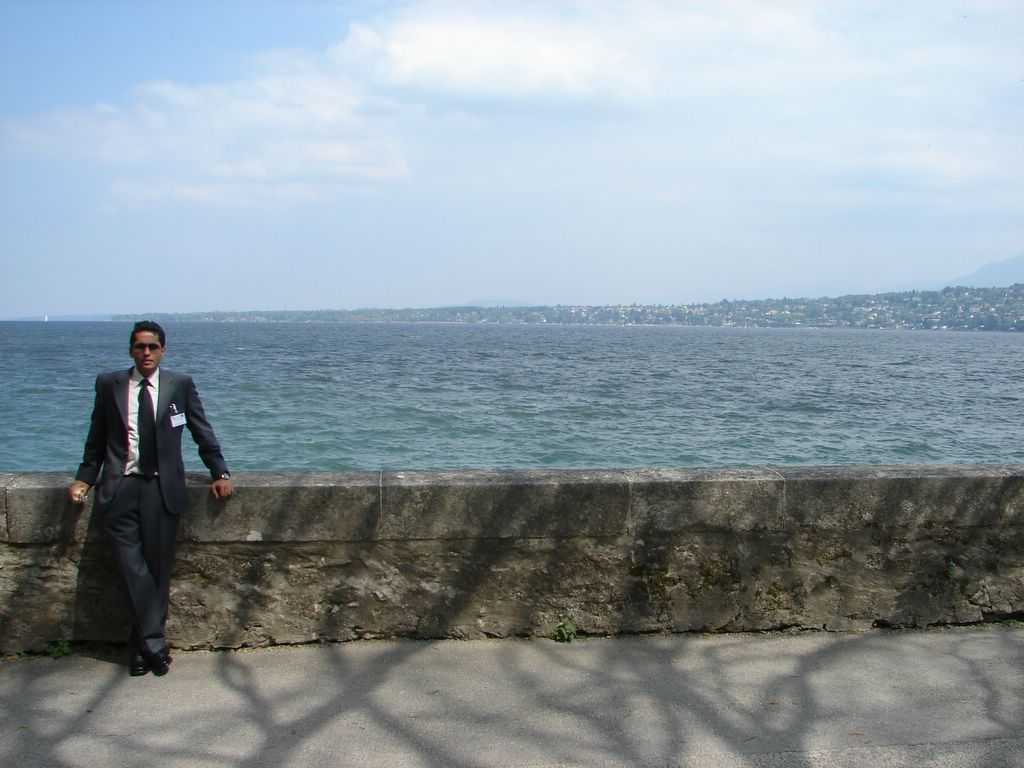
At Lake Geneva, right behind the WTO compound...
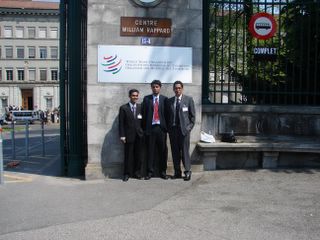
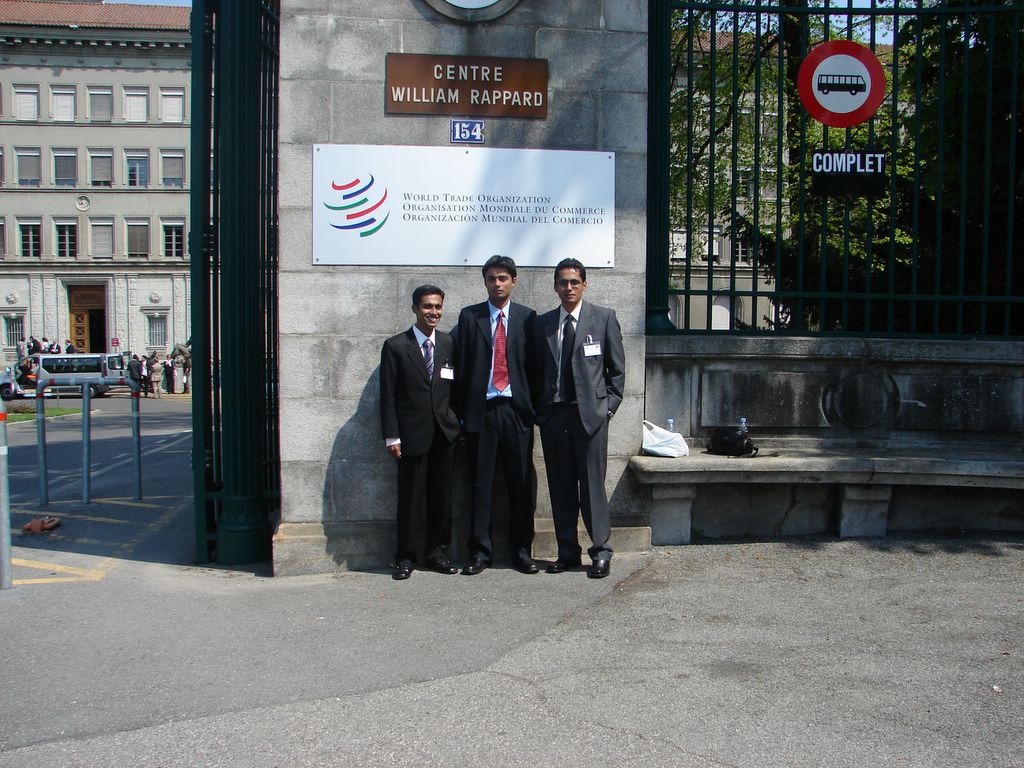
The WTO Entrance...
At the end of it, given the kind of exposure we got, I rate the entire experience as a highly rewarding one. I find myself very close to deciding upon going for a Master’s Degree in International Trade Law from an American or European University after graduating. However, I still have two years to graduate and you never know. Given a chance, I would certainly like to help the next team from the Law School which takes up this moot. This was in all likelihood my last moot as a participant. It’s high time to work on publishing something. Mooting consumes too much of your time and energy and its impossible to come out with a paper while working on a moot. However, it is a highly enriching experience. We get to learn more than we would ever in the classroom.
Having said that, the proposition of going to a foreign land on a fully paid trip, remains an alluring one. So I won’t promise anything. Yet, deep down in my heart I know that its time to move on.